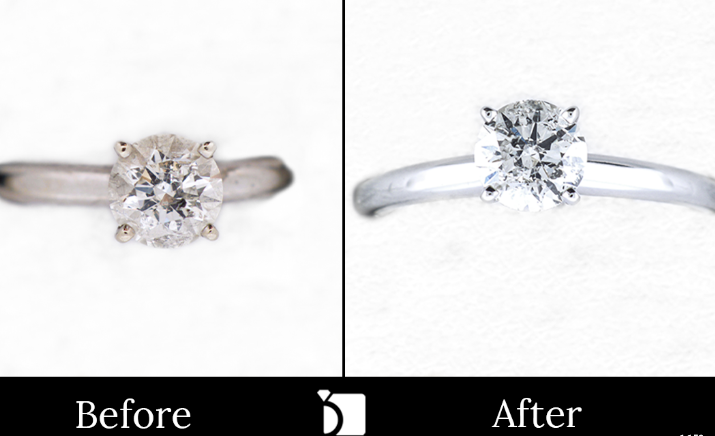
Expert reviewed by Jewelry by Brook, Master Bench Jeweler
As you start your journey as a newly engaged or married couple, your jewelry collection often shifts from fast fashion accessories to pieces of lasting value. Your engagement ring, wedding bands, or milestone gifts aren’t just investments; they’re emotional heirlooms that deserve the highest standard of care.
The good news is that you don’t need a professional cleaning every time you want your favorite pieces to sparkle like new. The core message is this: You can safely restore your jewelry’s sparkle at home using simple household ingredients and proper techniques tailored to each metal and gemstone type, saving money while maintaining your precious pieces between professional cleanings.
This comprehensive guide is designed to empower you with expert tested, budget friendly strategies on how to clean jewelry at home. We’ll show you the exact steps for every type of metal and gem, covering everything from the universal methods to specific DIY jewelry cleaning solutions you can mix up today.
How to Clean Jewelry at Home (Quick Summary)
To clean most fine jewelry at home, soak the pieces in a mixture of warm water and mild dish soap for 20–40 minutes. Gently scrub with a soft baby toothbrush, rinse under cool water (with the drain plugged!), and pat dry with a microfiber cloth. For tarnished silver, use the aluminum foil and baking soda method. Always avoid harsh chemicals like bleach or toothpaste, which can permanently damage precious metals and stones.
- The Golden Rules
- The Universal Method
- The Basic Soap & Soak Technique
- Specific Method For Different Metal Types
- How to Clean Gold Jewelry at Home
- How to Clean Sterling Silver Jewelry
- How to Clean Costume Jewelry
- Gemstone Specific Cleaning Guide
- How to Clean Diamond Jewelry
- Hard but Sensitive Gemstones
- Soft, Porous, or Organic Gemstones
- The “Last On, First Off” Rule
- Smart Storage is Prevention
- When to Seek Professional Expertise
- Restore Your Sparkle, Protect Your Investment
- Jewelry Safety Check
- The FAQ Section
- Key Takeaways
| Jewelry Type | Cleaning Method | Soak Time | Pro Tip |
| Diamonds & Gold | Dish Soap + Warm Water | 20–40 Mins | Use a baby toothbrush for prongs. |
| Sterling Silver | Baking Soda + Foil | 5–10 Mins | Shiny side of foil faces UP. |
| Costume / Fashion | Damp Cloth Wipe | Never Soak | Avoid any submersing in liquid. |
| Pearls / Opals | Soft Microfiber Wipe | Never Soak | “Last on, First off” is critical. |
Key Takeaways
Safest Method: Soak gold & diamonds in warm water + mild dish soap for 20-40 mins.
- Never Use: Toothpaste, bleach, or boiling water (these scratch and crack stones).
- Silver Secret: Use the baking soda + aluminum foil trick for heavy tarnish.
- Warning: Pearls and Opals are porous never soak them.
The Golden Rules: What NOT to Use When Cleaning Fine Jewelry
Before diving into the “how to,” it’s vital to understand the “what not to do.” Using the wrong product can cause irreversible damage, dulling the finish or even dissolving delicate material.
The Universal Method: How to Clean Jewelry at Home Safely
The safest and most effective all purpose cleaning method relies on two simple, accessible household items: mild dish soap and warm water. This is the bedrock of DIY jewelry cleaning and is safe for almost all metals and hard gemstones.
Jewelry Safety Check
Stop! Check Before You Soak Before you submerge your jewelry, perform a 5 second “Expert Check”:
- The Shake Test: Hold the piece near your ear and shake gently. If you hear a rattle, the stone is loose do not clean; see a jeweler.
- The Prong Snag: Run your jewelry over a soft cloth. If it snags, a prong is lifted and could cause you to lose a stone during brushing.
The Basic Soap & Soak Technique
This process should be used for daily wear pieces like wedding bands, necklaces, and durable fashion rings.
- Prep the Solution: Fill a small bowl with warm (not hot!) water. Add a few drops of mild, concentrated dish soap. Do not use dish detergent that contains dyes, perfumes, or harsh chemicals. The simple, clear, blue kind is best.
- Soak: Place your jewelry directly into the solution. Let it soak for 20 to 40 minutes. Soaking allows the warm water to soften and loosen the grime, lotion, and oil trapped beneath prongs and settings.
- Brush: Once soaked, use a new, extra soft baby toothbrush (or a dedicated soft jewelry brush) to gently scrub the piece. Concentrate on the back of the stones, the insides of bands, and the crevices around settings, as this is where dirt hides.
- Rinse: Hold the piece under a stream of cool, clean water. Crucially: Plug the sink drain before rinsing! This is the number one way people lose jewelry.
- Dry: Pat the piece completely dry with a lint free cloth or a microfiber towel. Avoid letting it air dry, as this can leave water spots.
Specific Methods for Different Metal Types
While the soap and water method is the general recommendation, certain metals require specialized attention to deal with issues like tarnish and softness.
1. How to Clean Gold Jewelry: Yellow, White, and Rose Gold Tips
Gold is durable but can scratch, so gentle is key. Because fine gold jewelry (14k, 18k) is alloyed with other metals, it can collect buildup that dulls its natural shine.
- Best Method: The Basic Soap & Soak Technique (above).
- Frequency: Clean your gold pieces, especially rings, at least once every two weeks to prevent body oils and soap residue from building up.
- White Gold Tip: White gold is plated with a metal called Rhodium to give it a bright, white finish. This plating wears off over time, making the gold look slightly yellow. No amount of cleaning will restore the white color. It needs professional replating. If your white gold piece looks dull even after cleaning, you likely need a visit to a jeweler.
- Pro-Tip: If your gold jewelry is extra greasy, add a splash of plain seltzer water. The carbonation helps loosen stubborn debris in tiny crevices better than still water.
- This gold method works for Platinum too, but it may need professional “buffing” for scratches.
2. How to Clean Tarnished Sterling Silver (The Baking Soda Hack)
Sterling silver pieces tarnish (darken/blacken) when exposed to air and moisture, which causes a chemical reaction called oxidation. Tarnish cannot be removed by simple soap and water; you need a gentle chemical reaction to reverse it. This is the ultimate guide to clean jewelry naturally.
- The Aluminum Foil and Baking Soda Method (The Natural Electrolysis Method):
- Line a small bowl with aluminum foil, shiny side up.
- Place the tarnished silver on the foil.
- Sprinkle 1 tablespoon of baking soda over the silver.
- Pour boiling water over the mixture until the jewelry is submerged. (Note: Do not use this method if your silver piece contains glued or soft gemstones like pearls or turquoise!)
- Watch as the chemical reaction (a harmless one!) transfers the tarnish from the silver to the aluminum foil.
- After 5–10 minutes, remove the silver and rinse it well with cool water. Buff dry with a polishing cloth.
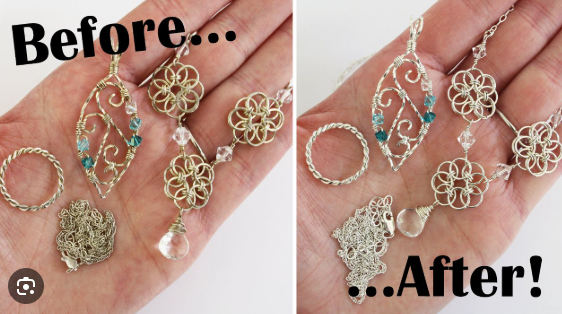
Before and after cleaning silver jewelry at home
3. How to Clean Costume Jewelry
Costume jewelry is often made with non precious metals and adhesives, which can break down easily when immersed in water or chemicals.
- Best Method: The Wipe and Dry. Simply use a slightly damp cloth to wipe down the piece after wearing it (especially if it touched skin, lotions, or perfume). Immediately follow up by thoroughly drying the piece with a soft, clean cloth. Never soak or use abrasives on costume pieces.
- tip: For Gold Vermeil, treat it like costume jewelry no soaking, just a gentle wipe.
Gemstone Specific Cleaning Guides
While the setting might be gold or silver, the most important rule is to clean for the most delicate material in the piece. Different gemstones require highly specific approaches.
1.How to Clean Diamond Rings: Restoring the Ultimate Sparkle
Diamonds are the hardest known natural substance, meaning they can handle stronger cleaning agents than most other gems. This is particularly important for engagement rings, which are exposed to heavy daily wear.
- DIY Diamond Solution: Mix one part household ammonia (or plain Windex) with three parts water.
- Method: Soak the diamond ring for 30 minutes. Use a soft toothbrush to gently scrub the diamond’s underside and the prong settings. Rinse thoroughly under running water. This will dissolve the oil and grime that dulls the stone’s fire.
- Note: Do not use this ammonia solution on gold jewelry that contains other, softer gemstones, only on diamond-only pieces.
Expert Insight: Diamonds are ‘grease magnets.’ Even the oils from your fingerprints can dull their fire. Cleaning every two weeks is the only way to maintain that ‘day one’ sparkle.
2. Hard but Sensitive Gemstones (Emeralds, Rubies, Sapphires)
These gems are hard, but they often have natural fractures or are oil treated (especially emeralds) to enhance their clarity.
- Best Method: Stick to the mild soap and lukewarm water soak.
- Warnings: Avoid high heat, steam cleaners, and harsh detergents. The extreme temperature changes or strong chemicals can cause treated stones to lose their clarity or even crack if they have internal fractures.
3. Soft, Porous, or Organic Gemstones (Pearls, Opals, Turquoise, Amber)
These are the most delicate pieces in your collection and are easily damaged by moisture, heat, or acidity.
- Pearls: Never soak pearls. They are porous and strung on silk that can weaken when wet. After wearing, simply wipe them down with a damp, soft cloth. Store them flat.
- Opals/Turquoise: These stones can absorb water and change color. Wipe them with a dry, soft cloth only. Never submerge them in water or chemicals.
- Do not use any of the above DIY jewelry cleaning or clean jewelry naturally methods on these soft stones.
Beyond Cleaning: Essential Jewelry Care & Maintenance
Proper care extends beyond the cleaning bowl. By adopting better habits, you can drastically reduce the amount of dirt and damage your fine jewelry sustains.
The “Last On, First Off” Rule
This is the single most important rule for daily jewelry wear:
- Last On: Put your jewelry on after applying all lotions, perfumes, hairsprays, and makeup. These products leave a sticky film that attracts dirt.
- First Off: Take your jewelry off before showering, washing dishes, swimming, exercising, or gardening. Harsh chemicals (chlorine) and physical activity (scratches, loose prongs) are the biggest enemies of your fine pieces.
Smart Storage is Prevention
How you store your jewelry directly impacts its condition. Proper storage is crucial for preventing tarnish and physical damage. Read our full guide on how to learn the best practices for every piece.
- Keep Pieces Separate: Store pieces individually or in separate compartments. Diamonds can scratch gold and other gems.
- Anti Tarnish: Store sterling silver in anti tarnish bags or with a piece of chalk to absorb moisture.
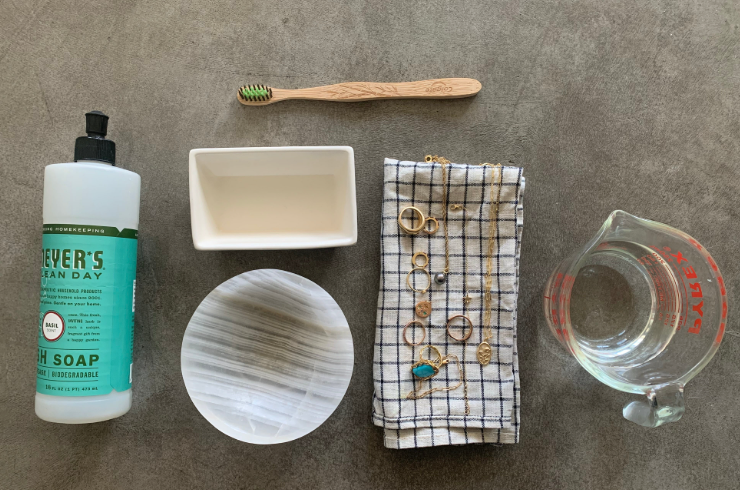
Essential supplies for cleaning jewelry
When to Seek Professional Expertise
While cleaning jewelry at home is essential for routine maintenance, it is not a substitute for professional checkups and deeper cleaning.
A professional jeweler has specialized tools (like industrial strength ultrasonic and steam cleaners) that can safely remove years of built up grime that home methods can’t touch.
We recommend visiting a professional jeweler at least once every six to twelve months for two critical reasons:
- Deep Cleaning: To restore the piece to its original brilliance.
- Structural Check: To inspect prongs and settings for weakness. A loose prong could mean losing a stone. If you notice any wiggling or damage, do not wear the piece and bring it in immediately .
When you’re ready to add new pieces to your collection, ensure you understand the durability and care requirements of what you’re buying. Review our comprehensive for expert advice on metals and gemstones.
Restore Your Sparkle, Protect Your Investment
Learning how to clean jewelry at home safely is a simple, rewarding skill that protects your investment and preserves the sentimental value of your pieces. By embracing gentle DIY jewelry cleaning techniques and understanding which solutions are safe for which gems, you can keep your most treasured items sparkling between professional services.
Ready to take the next step in jewelry care?
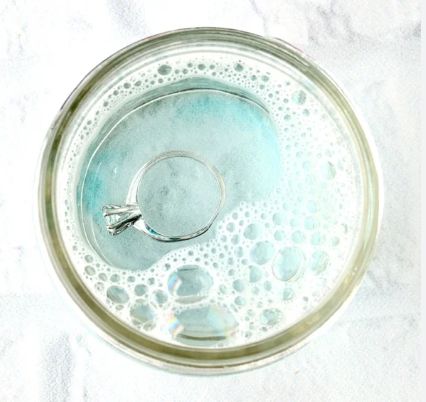
Cleaning a diamond ring at home with dish soap and a soft brush.
The FAQ Section
Can I use toothpaste to clean my jewelry? No. Most toothpaste contains abrasives that can scratch gold and delicate gems.
Is vinegar safe for cleaning jewelry? Vinegar is acidic. While okay for some silver, it can damage porous stones like turquoise or pearls and is not recommended for white gold.
How often should I clean my engagement ring? For daily wear, a gentle soap-and-water soak every two weeks is ideal to prevent biofilm buildup.