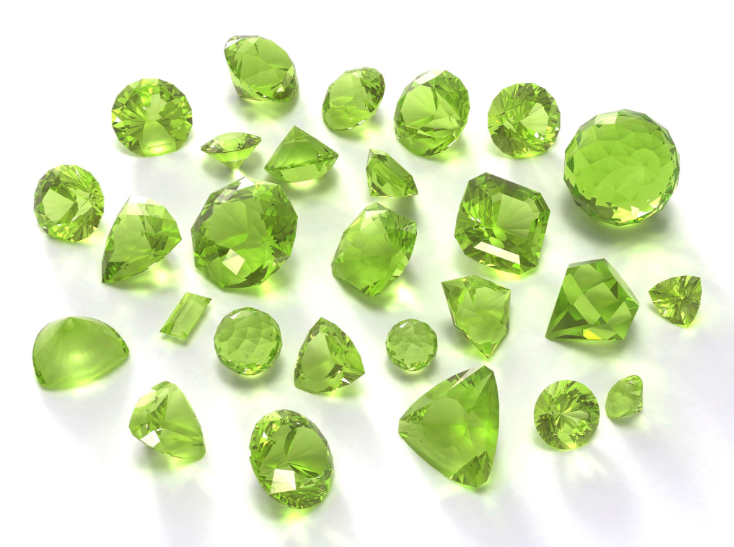
The Vibrant Gem of the Sun
When you think of ancient treasures, vivid history, and brilliant color, you might picture diamonds or sapphires. But there is one dazzling gem that captivated Egyptian Pharaohs and remains cherished today: Peridot. This vibrant, lime green jewel is the primary August birthstone, offering wearers a unique connection to ancient history and powerful symbolism.
Often mistaken for emerald due to its rich color, Peridot stands unique. If you were born in August, or are looking for a meaningful gift for someone who was, this guide will tell you everything you need to know about this luminous stone from its symbolism for protection to its origins in faraway volcanic islands.
The August Birthstone Meaning: Protection, Light, and Prosperity
Peridot has always been more than just a beautiful jewel; it is a talisman with deep cultural significance. For thousands of years, civilizations have relied on the Peridot stone for its perceived spiritual and healing properties
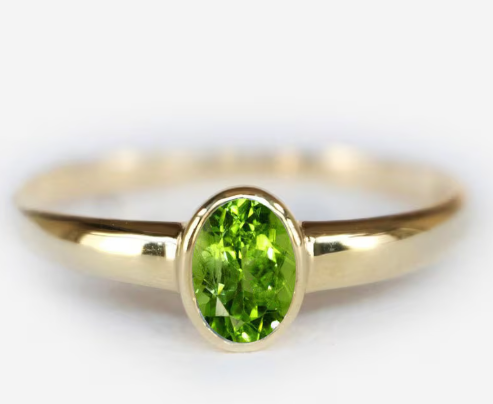
This stunning Peridot ring showcases the vibrant, lime green color the August birthstone is known for, set in a classic yellow gold bezel for maximum protection and brilliance
The Ancient “Gem of the Sun”
The most famous nickname for Peridot is the “Gem of the Sun.” This nickname reflects its stunning, almost glowing appearance. It was believed to capture the light of the sun and bring it down to Earth. This association with light and energy is why its primary symbolism revolves around:
- Protection: Historically, Peridot was considered a powerful protector against nightmares, evil spirits, and negativity, especially when set in gold.
- Prosperity and Luck: It is often associated with good fortune, harmony, and success, making it a favorite among merchants and rulers.
- Joy and Optimism: The bright, positive color is thought to inspire a sunny disposition, promoting happiness and reducing feelings of jealousy or stress.
Today, wearing Peridot jewelry is a way to embrace these qualities bringing a little sunshine and protection into your daily life.
Tracing the History of Peridot
The history of Peridot is perhaps more dramatic than any other gemstone. Unlike most jewels that form deep within the Earth’s crust, Peridot often forms near the surface, or in some cases, is delivered directly from outer space!
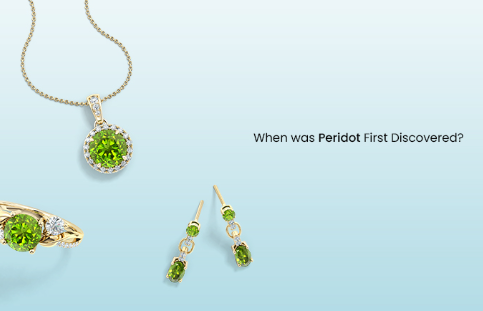
Peridot is considered one of the oldest known gemstones, with records indicating it was discovered as early as 1500 B.C.
The Island of Zabargad: The Ancient Source
For over 3,500 years, the main source of the world’s finest Peridot was a tiny, desolate volcanic island in the Red Sea called Zabargad (also known historically as St. John’s Island).
- Egyptian Treasure: The Ancient Egyptians, who called the stone chrysolite (its historical name), controlled the mining operation on Zabargad. It was one of Pharaoh Cleopatra’s favorite stones, though many of the “emeralds” she wore were actually fine Peridot.
- Night Mining: Legend says that miners were only able to find the Peridot crystals at night because the sun’s reflection made the stones difficult to spot during the day.
From Cathedrals to Modern Mines
After the decline of the Egyptian Empire, Peridot lost some prominence until the Medieval Era. Many historians now believe that some of the green stones adorning historical cathedrals across Europe, which were long thought to be emeralds, are actually Peridot.
Today, while the Zabargad mines are largely inactive, the majority of the world’s high-quality Peridot comes from the San Carlos Apache Reservation in Arizona, USA, making it a truly American gem. Other important sources include Pakistan and Vietnam.
Quick Fact Box: The Link to Outer Space Peridot is one of only two gems (the other being diamond) that has been found in meteorites. Pieces of the gem have been collected from Pallasite meteorites, linking this earthly stone directly to the formation of our solar system.
Peridot Gemology: Color, Hardness, and Clarity
Peridot is a variety of the mineral Olivine, which is often found in volcanic rock. Its science is as interesting as its history:
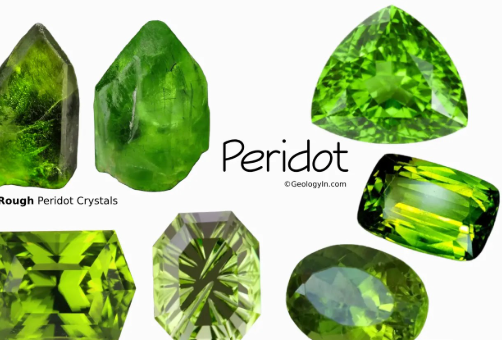
Close-up of faceted Peridot gemstone highlighting its Mohs Hardnessand vivid green color.
The Only Green Gem
Peridot is unique because its color is always green. While other gems like tourmaline or sapphire get their color from trace impurities, Peridot gets its rich shade from iron content within its basic chemical structure. The best color is a vivid lime-green with a slight golden undertone.
Caring for Your Stone
When considering Peridot jewelry, it’s important to understand its durability.
- Mohs Hardness Scale: Peridot ranks between 6.5 and 7 on the Mohs scale. This means it is harder than some stones but softer than popular gems like quartz (7) or sapphire (9).
- What this means for you: While it is fine for everyday wear in rings, pendants, or earrings, care should be taken to avoid banging it against hard surfaces, as this can cause scratching.
How to Clean Peridot
To keep your Peridot glowing like the sun:
- Use mild soap and lukewarm water.
- Gently scrub with a soft brush (like a soft toothbrush).
- Avoid using steam cleaners or ultrasonic cleaners, as the sudden heat changes can damage the stone.
- (Internal Link Opportunity: See our full guide on how to clean fine jewelryfor more tips.)
How to Buy Your Peridot Jewelry
Whether you are treating yourself or buying a special gift for an August birthday, here are a few things to look for:
- Color Saturation: The most valuable Peridot is a rich, intense lime green without any brown or yellow tint.
- Cut Quality: Due to its bright color and high brilliance, Peridot is often cut into classic shapes like ovals, rounds, and cushions. Look for cuts that maximize its sparkle.
- Setting: Because the stone is slightly softer than others, a bezel setting (where the metal wraps around the edge) offers the best protection for rings, while prong settings look beautiful and allow maximum light.
A Final Look at the Gem of the Sun
The August birthstone meaning is rich in history, symbolism, and a color that truly captures the light of summer. Peridot is a beautiful, accessible, and uniquely historic gem that makes a perfect addition to any jewelry collection. It’s a stone that has protected wearers for millennia and continues to shine brightly today.
Ready to discover your own piece of history?
Shop our exclusive Peridot Collection today! You can find stunning rings, pendants, and earrings that celebrate the vibrant “Gem of the Sun.” (Internal Link Opportunity: Shop Peridot Jewelry)